by Supreme Lending | Jun 13, 2024

Condo financing is an exciting and rewarding experience, especially if you’re looking to purchase a dream home with low maintenance and community amenities. It’s important to understand how condo loans work to make an informed decision in your homebuying journey. Let Supreme Lending help guide you through the condo financing process. Explore the steps involved, go over frequently asked questions about condo loans, and discover perks of condo living.
What Is a Condo Loan?
Condo financing is similar to traditional mortgages but comes with a few unique factors. A condo loan is specifically designed for purchasing a condominium unit. Lenders handle condo loans slightly differently due to the shared ownership structure and the condo association, also known as the homeowners’ association (HOA).
When applying for a condo mortgage, lenders will not only consider your credit report and financial profile but also the condition and management of the condo complex. This includes the association’s budget, reserves, and overall governance. A condo loan covers the unit itself and may include additional fees associated such as HOA dues.
Condo Financing Process
Here’s a quick, step-by-step guide of how condo financing works.
1. Get Pre-Qualified.
As with any mortgage, typically the first step is pre-qualification or pre-approval. This helps you understand how much home you may be able to afford and shows sellers you’re a serious, capable buyer.
2. Find the Right Condo.
Once you know your budget, search for condos that fit your preferences, location, and lifestyle. Ensure the condo is on a lender-approved list or can meet lender requirements.
3. Apply for a Loan.
Submit your full mortgage application with all required documentation, such as income verification, credit history, and details about the condo.
4. HOA Condo Review.
The lender will review the condo HOA’s financial statements, bylaws, insurance policies, and reserve funds to ensure the property is a sound investment and isn’t deemed high risk.
5. Appraisal and Inspection.
An appraisal will determine the condo’s market value, and a home inspection will help identify any potential issues with the property, such as safety hazards or systems that may not be working properly.
6. Close on the Loan.
Once all criteria are met, you’ll proceed to closing where you’ll sign the necessary documents and transfer ownership of the condo. Congratulations, you’re a condo owner!
Condo Financing FAQs
How does condo financing differ from traditional mortgages?
While similar to a conventional mortgage, a condo loan requires additional review of the condo association’s finances, bylaws, and occupancy rates. This will ensure lenders that the complex is stable and well-managed, which helps mitigate lending risks.
What’s the difference between warrantable and non-warrantable condo loans?
A warrantable condo means that the complex meets the criteria set by Fannie Mae and Freddie Mac, the government-sponsored enterprises (GSEs) that purchase and guarantee mortgages from lenders. A warrantable condo typically has at least 50% of units that are owner-occupied or second homes, and the homeowners’ association management is financially secure. Non-warrantable condos do not meet these guidelines.
Can I still finance a non-warrantable condo?
Yes. Borrowers may face unique challenges when it comes to financing non-warrantable condos, condotels, and co-ops. However, Supreme Lending offers a wide range of condo loan programs, including non-warrantable condos and FHA spot approval processing.
Can I use an FHA or VA loan to buy a condo?
Yes. There are options to finance condos through FHA or VA loans. However, the condo complex must be on an approved list by the FHA or VA. If it’s not approved by the FHA, Supreme Lending may be able to provide FHA Single-Unit Approvals to help get a condo unit approved quicker.
Are interest rates higher for condo loans?
Interest rates for condo loans may be slightly higher than single-family mortgages due to the perceived higher risk. However, rates vary based on market conditions, credit score, and individual lenders, so be sure to work with an experienced, professional Loan Officer to go over your options.
Does Supreme Lending have an in-house condo loan team?
Yes! Supreme Lending has a dedicated, in-house Condo Project Review team to manage the condo financing process. This includes reviewing the complex and HOA to make sure the property’s guidelines are met.
Benefits of Condo Living
- Community Living. Condos often foster a strong sense of community, providing ample opportunities to meet neighbors and participate in social activities.
- Lower Maintenance. The Condo’s HOA typically handles exterior maintenance such as landscaping and select repairs, freeing you from traditional homeownership responsibilities.
- Condos can offer several amenities such as swimming pools, gyms, and recreational areas, allowing you to enjoy these perks without the personal investment or upkeep.
- Prime Locations. Condos are often located in desirable, urban areas, offering convenient proximity to work, entertainment, and dining options.
Condo financing can unlock the door to a vibrant and accessible lifestyle. By understanding the ins and outs of the condo loan process, you can be equipped with knowledge and power to make informed decisions. At Supreme Lending, we’re here to help guide you through every step of condo financing.
by Supreme Lending | Jun 10, 2024

When it comes to financing your new home, choosing the right mortgage is so important – FHA loans, Conventional mortgages, down payment assistance – there are several options to choose from. Each loan program has its own set of guidelines, benefits, and considerations. Comparing loan types can help you make an informed decision of what may fit your needs and homeownership goals. Let’s examine the difference between these two popular options: FHA loans and Conventional mortgages.
What Is an FHA Loan?
FHA loans are mortgages insured by the U.S. government’s Federal Housing Administration (FHA) against borrower default. They are designed to help more people who may not qualify for Conventional loans achieve homeownership. Here are some key benefits of FHA loans:
- Lower Credit Score Requirements. FHA loans typically require a minimum credit score of 580, which is lower than Conventional loans.
- Low Down Payment. One of the most attractive highlights of FHA loans is the low down payment requirement. Qualified borrowers can put down as little as 3.5% of the purchase price, plus there may be options to include down payment assistance.
- Flexible Debt-to-Income (DTI) Ratio. FHA loans allow higher DTI ratios, making it more feasible for borrowers with existing debt to qualify.
- Assumable Loans. FHA loans are assumable, meaning if you sell your home, the buyer can take over your existing FHA loan. This could potentially help save buyers money on closing costs and interest.
- More Lenient Qualification Requirements. In general, the qualification criteria for FHA loans is more moderate compared to Conventional loans. This helps a broader range of borrowers become homeowners.
What Are Conventional Loans?
Conventional mortgages are loans not insured or guaranteed by any government agency unlike FHA. They are offered by private lenders. Borrowers typically need to have a higher credit score and lower DTI ratio.
- Lower Mortgage Insurance Costs. While FHA requires mortgage insurance premiums (MIP) for the life of the loan, Conventional loans typically only require private mortgage insurance (PMI) until the borrower buys down 20% of the mortgage.
- Higher Loan Limits. Conventional loan borrowers can generally qualify for higher loan limits compared to FHA. This can help borrowers purchase more expensive homes.
- Variety of Loan Terms. Conventional mortgages offer a wide range of loan terms and options, including fixed-rate and adjustable-rate mortgages (ARMs), providing more flexibility.
- Potential for Lower Interest Rates. Borrowers with higher credit scores and larger down payments can often secure lower interest rates with Conventional loans than FHA.
- Conforming & Non-Conforming Options. Conforming conventional loans meet the guidelines of government-sponsored enterprises (GSE), such as Fannie Mae and Freddie Mac. While non-conforming loans do not and can have higher loan amounts, including Jumbo loans.
Frequently Asked Questions About FHA vs. Conventional Loans
Which loan is better suited for first-time homebuyers?
FHA loans are often a great option for first-time buyers due to their lower credit score and down payment options. They provide a pathway to homeownership for those who may not initially qualify for a Conventional loan.
Can I refinance* my FHA loan into a Conventional mortgage?
Yes! Borrowers can refinance an FHA loan into a Conventional one. This could potentially eliminate the FHA’s mortgage insurance requirement if you have enough equity in the home and lead to more flexible terms.
*By refinancing an existing loan, total finance charges may be higher over the life of the loan.
Are there income limits for FHA or Conventional?
FHA mortgages don’t have income limits, but they may have loan limits based on the location of the property. Conventional loans don’t have income limits either, however higher income and a better credit profile can help you qualify for a larger loan amount.
How do I decide which loan is right for me?
Take into concentration your credit score, funds you have for down payment and closing costs, and long-term goals. FHA can be ideal for those with lower credit scores, while Conventional loans may be better suited for borrowers with stronger credit profiles. Getting pre-qualified with Supreme Lending can help give you estimated costs for each option.
Whether you opt for an FHA loan or a Conventional, both options provide pathways to owning your dream home. It’s important to review your current situation, consider the benefits of different loan types, and work with a knowledgeable loan officer to help guide you through the mortgage process.
At Supreme Lending, we’re committed to helping you navigate the homebuying process with ease. Contact your local branch to get started today!
by Supreme Lending | Jun 7, 2024
Your Guide to Prepare Your Home for Hurricane Season and Severe Weather

Homeownership is a considerable, rewarding experience, offering a place of comfort and security. However, natural disasters are inevitable, so it’s important to keep your home safe and protected in the event of severe weather. HousingWire reported that nearly more than 32.7 million residential properties from Texas to Maine may be at risk of moderate or severe damage this year. To keep your home and family safe, here are seven homeownership tips to prepare your home for hurricane season.
1. Review and Update Your Insurance Policies.
Regularly assess your homeowners and flood insurance policies to ensure you’re adequately covered for potential damage. Make any necessary updates to safeguard your home, especially during hurricane season.
2. Assess the Vulnerability of Your Home.
As you prepare your home for hurricane season, evaluate the current condition of your property. Carefully examine windows, exterior doors, the roof, and nearby trees. This will help you prioritize your preparation efforts and focus on reinforcing any vulnerable areas on your property.
3. Have an Emergency Plan.
Create an emergency plan for your household, including your pets. This should include evacuation routes, shelter sites, an emergency kit of essential food and supplies, and a list of important contacts. Ensure all family members are familiar with the plan.
4. Protect Windows and Doors.
Homeowners in hurricane or tornado-prone areas can install storm shutters or impact resistant glass to help prevent breakage. Plywood can be a temporary solution if these are not available. Another important step to prepare your home for hurricane season is to check for and seal any gaps or cracks around windows and doors. This can help minimize damage from wind-driven rain.
5. Keep Trees Trimmed.
Preparing your home for hurricane season also includes yard maintenance. Dead or overgrown tree limbs are more at risk of breaking and falling. Undergo regular tree service by trimming and removing any hazardous limbs, especially if they’re over the roof of your home. This simple preventive measure could save you from potentially costly repairs, ensure the safety of your property, and support your landscaping.
6. Secure Outdoor Elements.
In the event of possible high winds, make sure any outdoor furniture and grills are secured. Keep umbrellas closed and fold up chairs. You can use furniture and grill covers to protect them from excess rainwater. Bring in more sensitive items such as potted plants, hammocks, and other items that could be displaced in high winds.
7. Reinforce the Roof.
This may be one of the most important steps to prepare your home for hurricane season and may even enhance your home’s value. Be sure to carefully inspect your roof for any loose or damaged shingles, leaks, cracks, rust, or decay. Promptly repair any roof damage to protect the home’s structural integrity. It’s crucial to address any minor roof issues so they don’t escalate into major problems down the road. If a large roof restoration is needed, you may consider a home renovation loan to help fund the project.
BONUS. Plan Backup Power Sources.
If your property is in an area known for frequent storms and power outages, consider adding a generator or heavy-duty battery in the event the power goes out. Have portable phone chargers and power banks readily available. Additionally, keep matches and candles on hand to provide extra lighting if needed.
As you prepare your home for hurricane season, remember that your home is a sanctuary – a place where memories are made and cherished. By taking these proactive steps, you not only protect your investment but also ensure your property is safe. Homeownership is a rewarding experience, and with the right preparation, you can face any storm with confidence and peace of mind.
by Supreme Lending | Jun 5, 2024
Understanding a Bank Statement Loan

For entrepreneurs and self-employed individuals, securing a mortgage can often be a challenge. Traditional home loans typically require W-2 tax returns and other documentation that may not accurately reflect the income of self-employed borrowers. This is where Supreme Lending’s bank statement loans come in. Designed for those who run their own businesses, bank statement loans offer an alternative option for self-employed homebuyers without the need for conventional income and tax documentation. Here’s everything you need to know about bank statement mortgages.
What Is a Bank Statement Loan?
A bank statement loan, commonly known as a self-employed mortgage, is a type of home loan designed for those who may have non-traditional sources of income. Simply put, instead of relying on W-2 forms and tax returns, lenders use the borrower’s bank statements to verify their income to approve the loan. This allows self-employed individuals to qualify for a mortgage based on their cash flow rather than their taxable income, which may be reduced by business expenses and tax deductions.
How Do Bank Statement Mortgages Work?
Income Verification
For these types of loans, lenders typically review the past 12 to 24 months of your personal or business bank statements to determine your average monthly income. This provides an accurate picture of your financial health and ability to repay the loan and make monthly mortgage payments.
Down Payment Requirements
The down payment requirements for bank statement loans can vary depending on the lender, but it can generally range from 10% to 20%. A larger down payment amount can sometimes secure more favorable terms and interest rates.
Credit Score and Other Requirements
While these loans are designed to be a more flexible homebuying option, mortgage professionals will still review your credit score, assets, and other financial factors to assess the potential lending risk. A higher credit score may increase your chances of approval for the loan.
Common FAQs and Considerations
Who Can Benefit from a Bank Statement Mortgage?
As mentioned above, these loans are ideal for self-employed borrowers, including small business owners, corporation owners, freelancers, and gig economy workers whose income may be substantial, but not consistently documented like W-2 employees. It’s a great option if you have strong cash flow but your tax returns don’t reflect your true income due to tax write-offs and deductions.
What Types of Properties Can Qualify?
These loans can be used to purchase various types of properties, including single-family homes, condos, townhouses, and in some cases multi-family properties. There are also options for second homes and investment properties depending on the loan type. Each lender has specific property requirements and guidelines, so it’s important to work with a knowledgeable loan officer to help guide you through the process.
What Are Interest Rates?
Interest rates for bank statement loans may be higher than those for Conventional loans due to the potential increased risk to lenders. However, if a borrower has a strong financial profile, it may be possible to lock in a more competitive rate. Additionally, rates are typically lower for a 24-month bank statement loan versus 12 months.
How Is Income Calculated?
For bank statement mortgages, lenders will typically sum up your total deposits over the selected period of time (12 to 24 months) and divide by the number of months to calculate your average monthly income. Business-related expenses and unusual deposits may be excluded to ensure a more accurate income assessment.
What If My Spouse Is a W-2 Employee?
Depending on the loan program and circumstances, lenders may consider a spouse’s income as well when calculating their joint eligibility for a bank statement loan. For example, a business owner’s average monthly income and a spouse’s W2s, paystubs, and employment verification could both be used to determine their combined income.
Benefits of Bank Statement Lending
Owning your own business is part of the American Dream. However, business owners may not qualify for a traditional mortgage to buy their American Dream Home. Bank statement loans offer that freedom. They give self-employed borrowers flexibility to use their true income without being tied down by tax deductions or business expenses. It also opens the door to homeownership for more people in the community—whether it’s their first home or tenth.
If you’re self-employed and ready to explore your mortgage options, contact Supreme Lending today. We’re here to help you navigate the process and find the best loan option to fit your unique needs.
Related Articles:
by Supreme Lending | May 31, 2024
The Ultimate Mortgage DTI Handbook
When it comes to securing a mortgage, understanding your finances has never been more important. One of the most important metrics lenders use when evaluating a borrower’s eligibility for a mortgage is Debt-to-Income ratio, commonly known as DTI. Let’s dive into what exactly mortgage DTI is, how it’s used, what sources of debt and income are considered, and what establishes a fair or good DTI. Plus, we’ll offer some helpful tips for potential homebuyers on understanding their DTI.
What Is Debt-to-Income (DTI) Ratio?
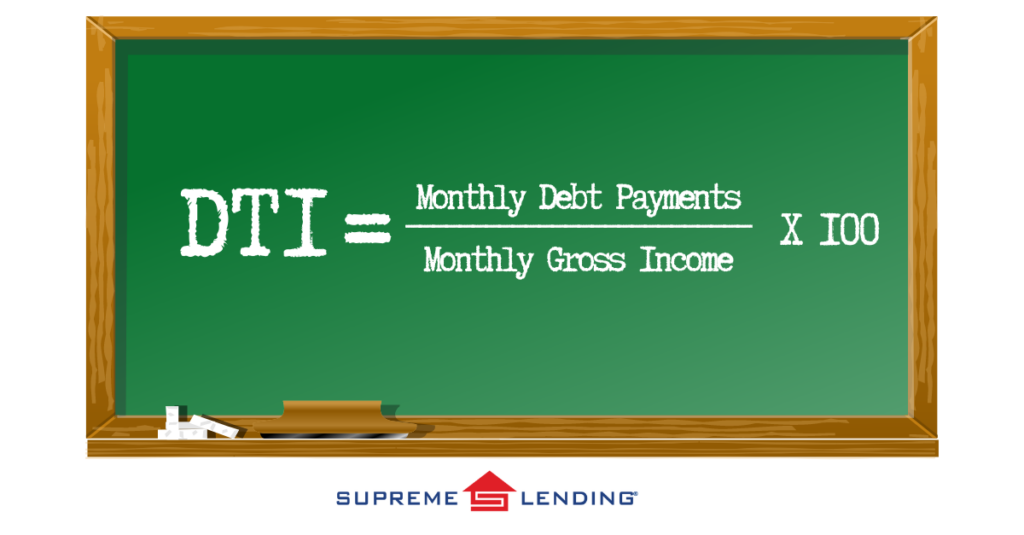
DTI is a financing metric that compares an individual’s monthly debt payments to their gross monthly income. Essentially, it measures the percentage of your income that goes toward paying off debts. Lenders use DTI to assess a borrower’s ability to make monthly payments to repay the loan. DTI is calculated by dividing your total monthly debt payments by your gross monthly income and multiplying the result by 100 to get the ratio percentage.
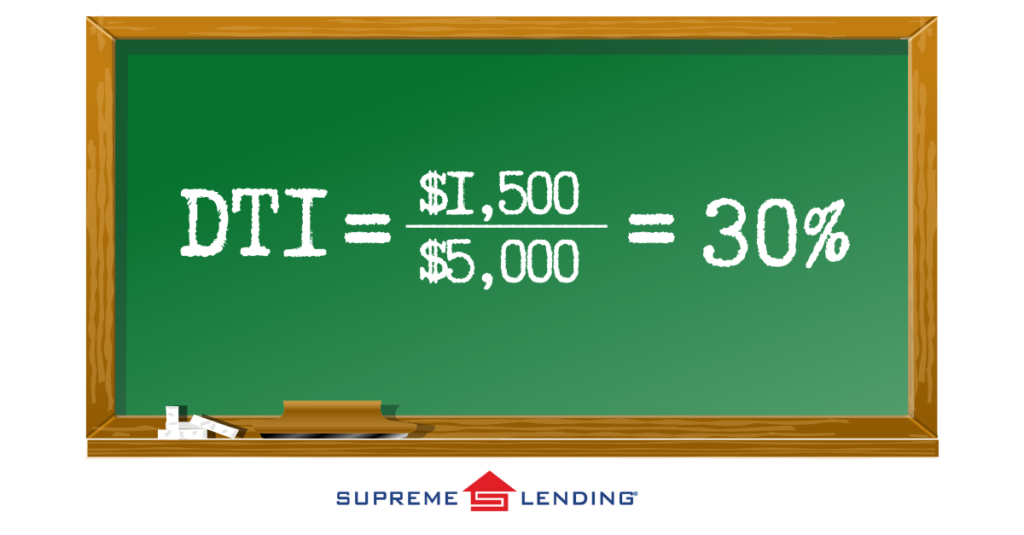
For example, if you have $1,500 in monthly debt payments and a gross monthly income of $5,000, your DTI would be 30%, as calculated below:
How DTI Is Used to Determine Mortgage Eligibility
Lenders look at your DTI to evaluate your ability to take on additional debt in the form of a mortgage. A lower DTI indicates that you have a good balance between debt and income, resulting in a more attractive and capable buyer. There are DTI thresholds that borrowers will need to meet, which can vary by lender or specified by the loan program guidelines.
Types of Mortgage DTI
- Front-end DTI: Also called a housing ratio or mortgage-to-income, this ratio only calculates housing-related expenses, such as the monthly mortgage payment, property taxes, homeowners’ insurance premiums, and homeowners association fees, if applicable, relative to your gross monthly income.
- Back-end DTI: This ratio includes all your monthly debt obligations, such as credit card payments, car loan payments, and student loan debt, in addition to the housing-related debt. Lenders typically focus more on back-end DTI when evaluating a buyer’s capability to repay a loan as it provides a clearer picture of their financial responsibilities.
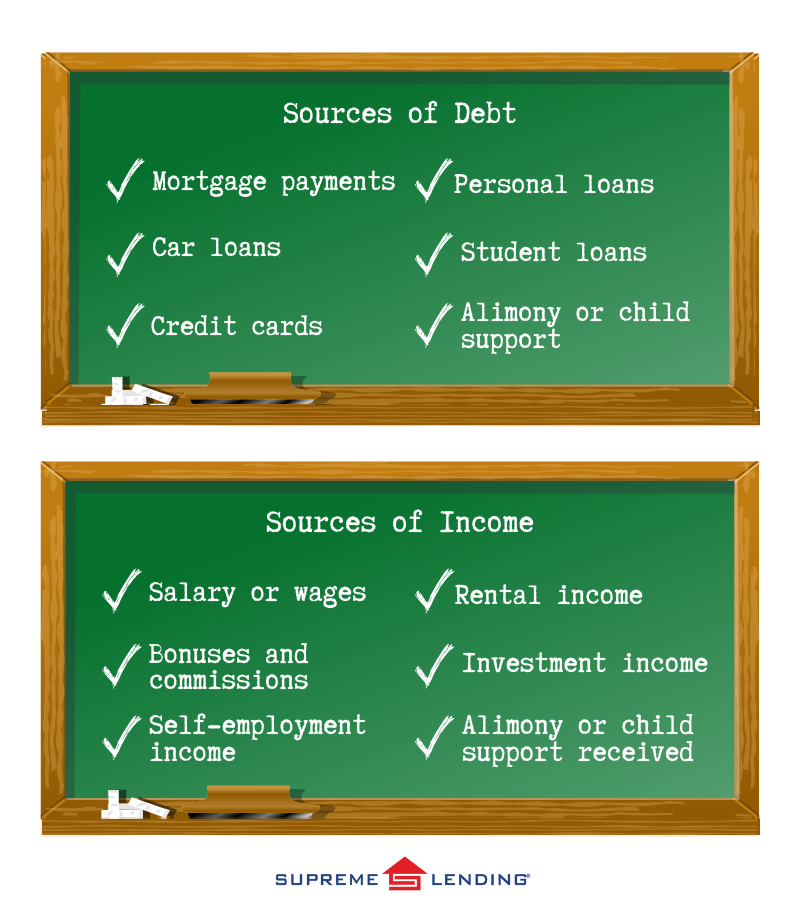
Sources of Debt and Income Considered
What Is Considered a Favorable DTI?
A good DTI ratio for a mortgage depends on the type of loan and the lender. Most lenders prefer a back-end DTI of around 36% or less, though some may accept higher ratios, especially for borrowers with strong credit scores or significant assets.
Helpful Mortgage DTI Tips for Potential Homebuyers
1. Avoid New Debt
Before applying for a mortgage, calculate your current DTI to give you a rough understanding of where you stand. This will help identify if you need to make any adjustments to potentially improve your DTI ratio before deciding to purchase a home.
2. Reduce Outstanding Debts
Paying down existing debts can significantly improve your DTI. Consider focusing on reducing or eliminating higher interest debts like credit card balances first.
3. Increase Your Income
Look for opportunities to boost your income. This could be through a salary increase, getting a higher-paying job, adding a part-time gig, or exploring other income sources.
4. Avoid New Debt
Refrain from taking on new debt before applying for a mortgage and during the loan approval process. New loans or credit lines may have an impact on your DTI and mortgage eligibility.
5. Seek Professional Advice
Consult with a financial professional for personalized guidance or a loan officer to get a better understanding of your DTI and loan program requirements. There may be other mortgage options better suited for you depending on your goals, such as Debt Service Coverage Ratio (DSCR) loans for investment properties that don’t use DTI.
6. Consider a Co-Signer
If your DTI is in the higher range, you may benefit from having a co-signer who has a higher income or less debt to contribute.
7. Understand Loan Programs
Guidelines and criteria to qualify for a mortgage vary depending on the program and lender. For example, FHA loans typically have more lenient DTI requirements than Conventional loans. Work with our team at Supreme Lending to explore a variety of different mortgage options and find the one best fit for you.
Managing Your Debt-to-Income Ratio
Understanding mortgage DTI and your Debt-to-Income ratio is essential for navigating the loan process. By managing your DTI and making informed decisions, you may potentially improve your mortgage eligibility and chances of securing your dream home.
Contact Supreme Lending to learn more about how we can help you achieve your homeownership goals with confidence.
Related articles: