by Supreme Lending | Feb 14, 2025
If rising mortgage rates have you weighing your options, a 2-1 Temporary Interest Rate Buydown might be worth exploring. Supreme Lending offers this for eligible conventional, FHA, and VA loans, allowing for a lower interest rate in the first two years. This gives the homebuyer some breathing room upfront while getting settled.
Let’s take a closer look at how this program works and who it may benefit.
What is a 2-1 Temporary Buydown?
A temporary buydown allows borrowers to reduce their monthly mortgage payment with a lower interest rate for the first two years of the loan. This is made possible through a lump sum, sometimes called a “subsidy,” which is deposited into a buydown account and used to offset the mortgage payment during this period. These funds may come from various sources, including the lender, the property seller, or other interested parties.
With a 2-1 Buydown, your mortgage interest rate is reduced as follows:
- First Year: The rate is reduced by 2% from the original rate.
- Second Year: The rate is reduced by 1% from the original rate.
- After the second year: The interest rate returns to the original, full rate. The actual note rate and monthly payment you are obligated to pay are not reduced permanently. The full rate must be reflected on your mortgage documents, and the buydown funds will be applied only during the first two years.
How Does the 2-1 Buydown Help You?
If you’re concerned about higher monthly payments right after purchasing a home, the 2-1 Buydown may offer temporary assistance. By lowering the mortgage rate for the first two years, this program provides initial relief, allowing for financial adjustment during the early stages of homeownership.
For example, if you’re starting a new job or expect your income to rise in the near future, this buydown option may give you time to transition before your mortgage payments increase to the full amount.
Who Might Benefit from a 2-1 Buydown?
This program may be ideal for:
- First-Time Homebuyers: The reduced payments in the first two years may provide a smoother transition into homeownership.
- Buyers with Fluctuating Income: If you anticipate an increase in earnings, the temporary lower payments may offer flexibility.
- Homebuyers Seeking Immediate Relief: Lower initial payments may help with budgeting during the early years of homeownership.
What’s the Catch?
Like any loan program, there are factors to consider. The 2-1 Buydown requires additional upfront funds, typically provided by the seller, to cover the cost of reducing the interest rate for the first two years.
While this arrangement provides short-term relief, it’s important to plan ahead for when the interest rate returns to the full amount in the third year.
Why Choose Supreme Lending?
At Supreme Lending is committed to offering flexible mortgage solutions designed to meet your needs. The 2-1 Temporary Buydown is one of many options available to help create a smoother homebuying experience.
Wanting to explore how this program works or discuss other home loan options? Our team is ready to assist – contact Supreme Lending today to learn more.
by Supreme Lending | Jul 8, 2024
Learn about Supreme Lending’s BEYOND Program, an ITIN Loan Option.

Did you or someone you know just miss out on becoming eligible for a mortgage? Supreme Lending may have the solution with the BEYOND mortgage program, commonly known for being an ITIN loan option. However, it’s so much more than that!
Whether a gig worker, recent college graduate, or multi-generational family, the BEYOND program provides more opportunities for prospective homebuyers who may not yet qualify for an FHA loan. What is the BEYOND mortgage program, who can benefit from it, and how does it work? Read on to discover if this loan option could unlock the door to homeownership.
What Is Supreme Lending’s BEYOND Loan Program?
Essentially, the BEYOND program offers a lower down payment option for homebuyers who may be just beyond eligibility for an FHA loan, including non-permanent resident aliens with an Individual Taxpayer Identification Number (ITIN) or U.S. citizens and individuals who don’t have an established work or tax history.
Through this program, eligible borrowers can buy a primary residence with a purchase sales agreement. Then, they can refinance* down the road into direct ownership if they meet the qualifications in the future. This allows borrowers to get mortgage-ready while holding the equitable title interest.
Who Is the BEYOND Program Designed for?
Supreme Lending’s BEYOND program may be a good ITIN loan option for foreign national borrowers who do not have work authorization or a Social Security Number (SSN). However, ITIN borrowers are not the only people who may benefit from this unique loan program. Gig workers who may not have an established W2 income or newly self-employed people may qualify. Here’s an overview of borrowers who may be eligible for this program:
- Non-permanent resident aliens with an Individual Taxpayer Identification Number (ITIN); no work authorization or SSN required
- For example, ITIN mortgages typically require a higher down payment of 10-20%, so this program offers a more affordable ITIN loan option
- Deferred Action for Childhood Arrivals (DACA)
- 1099 or gig workers
- Borrowers who are relocating or awaiting citizenship
- Borrowers with a new job
- College graduates; deferred student loans do not need to be included in Debt-to-Income (DTI) ratio
- Multi-generational households
- Borrowers with credit issues preventing mortgage approval
How It Works?
- The first step of the BEYOND program is simply determining if the homebuyer qualifies. They will need to meet the program guidelines and get pre-approved for the purchase price limit based on income qualifications. An important starting point is to determine if the borrower has proof of successfully making rental payments within the last year. Several other criteria will also need to be considered.
- Once approved and the buyer makes an offer to buy a qualified property, they’ll enter into a sales contract. The contact is then assigned to a third-party government entity approved by the U.S. Department of Housing and Urban Development (HUD) to purchase the home as an investment.
- The buyer must pay at least a 3.5% down payment along with additional administrative fees.
- An FHA appraisal and home inspection are required.
- The government entity buys the home using an FHA loan.
- The homebuyer also signs a seller-financing agreement with the third-party entity, which gives them a recorded equity interest in the property. This agreement acts similar to a standard mortgage or deed of trust.
BEYOND Loan FAQs
What Proof of Rental History Is Accepted?
A key requirement is for the borrower to provide proof of successfully paying rent for the past year. This could be through checks, money orders, or reviewing bank statements. Living for free with family members will not qualify.
Are There Credit Requirements?
For ITIN borrowers, no credit score is required. For non-ITIN borrowers, a minimum credit score of 600 is required.
What Form of Identification Is Needed?
The borrower will need to present two forms of unexpired government-issued identification. One must be a picture ID (i.e. driver’s license or passport). ITIN borrowers must provide proof of ITIN documentation. Valid IDs from other countries are accepted.
What Upfront Costs Are Required?
Qualified borrowers will need to pay at least the minimum down payment of 3.5% along with program administration fees and the first monthly payment.
Does the Borrower Own the House?
They will have equitable title interest, which is legal ownership. This means borrowers can benefit from any equity gains. However, the title of the home hasn’t been fully transferred. Additionally, for borrowers who do qualify on their own in the future, the loan may be refinanced* into the borrower’s name and have the title transferred.
Homeownership In Reach
With programs like BEYOND, Supreme Lending is committed to providing affordable, flexible mortgages for all. Contact your local branch to see if you may qualify and take the leap into homeownership.
*By refinancing an existing loan, total finance charges may be higher over the life of the loan.
by Supreme Lending | Jun 26, 2024
Understanding Down Payment Assistance Programs
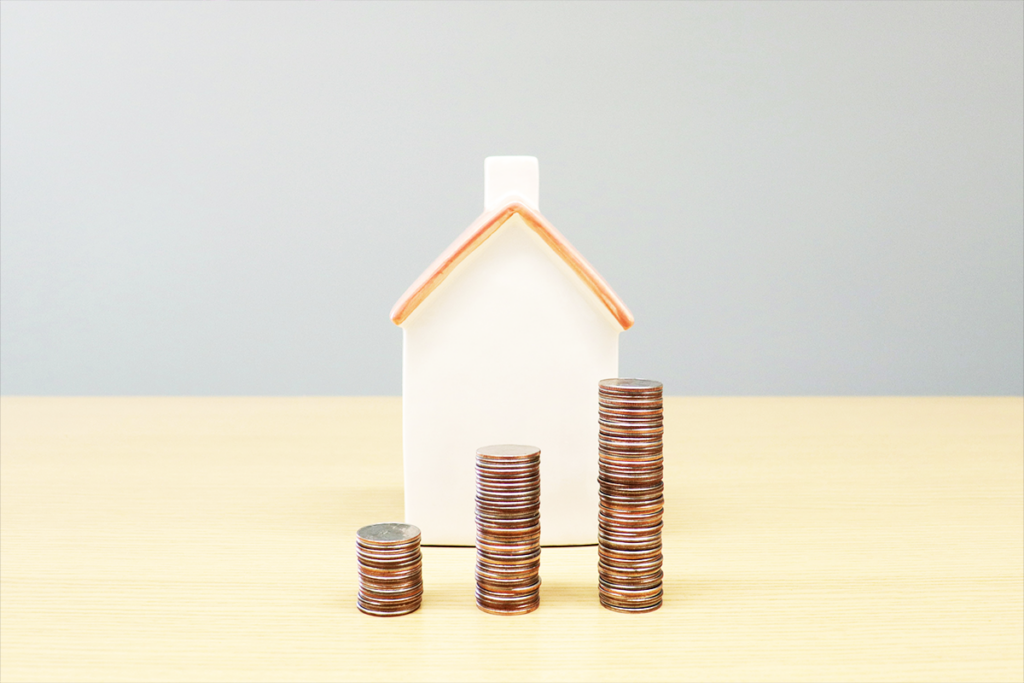
When it comes to buying a home, one of the most common misunderstandings is that you need at least a 20% down payment. This misconception can discourage potential buyers, especially first-time homebuyers, from pursuing their dream of homeownership. Good news – there are several low and no down payment options, including down payment assistance programs, designed to help people become homeowners without hefty upfront costs. Discover what down payment assistance is, how it works, benefits, and other lower down payment mortgage options.
What Are Down Payment Assistance Programs?
Down payment assistance (DPA) refers to programs designed to provide financial aid to help cover part or all of the down payment and, in some cases, closing costs associated with purchasing a home. These programs can significantly reduce the upfront costs of buying a home and help more people across the country buy a home.
How Does Down Payment Assistance Work?
Down payment assistance programs are often provided by state and local governments, non-profit organizations, or other entities dedicated to promoting homeownership in local communities. DPA can come in various forms, such as grants, forgivable second loans, deferred payment loans, and tax credits. Down payment assistance programs can have specific guidelines, often targeted for first-time homebuyers and lower income areas.
- Grants. These are funds that do not need to be repaid. Essentially, they are a gift to help cover a home’s down payment.
- Forgivable Loans. When a loan is forgivable, a borrower doesn’t need to repay it after a certain time period and agreed upon criteria is met. For example, living in the primary home for a set number of years.
- Deferred Payment. This refers to loans that do not need to be repaid until the home is sold, the borrower refinances, or the mortgage is paid off.
- Tax Credits. Some down payment assistance programs offer mortgage credit certificates (MCCs) that provide a direct tax credit based on the interest paid on the loan.
Common Eligibility Requirements
While loans and down payment assistance vary by lenders and program guidelines, here’s an overview of some general eligibility criteria that may be considered.
- Income Limits. Many mortgage DPA programs have maximum income limits based on family size and location. Some lenders may consider how a borrower compares to the Area Median Income (AMI).
- Credit Score. Like most mortgages, credit score is a major factor. A minimum credit score is typically required, such as 620 for FHA and VA.
- First-time Homebuyers. Several down payment assistance programs are designed specifically for first-time homebuyers or people who haven’t owned a home within the past three years. Homebuyer education may also be included with the program as well.
- Primary Residence. In general, down payment assistance is used toward owner-occupied primary residences.
- Location. Properties may also need to be in a specific geographic area or within a targeted zone for revitalization to qualify.
- Profession. Some down payment assistance programs may also target specific occupations, such as first responders, educators, or healthcare providers. These options help give back to those who serve our communities.
Benefits of Down Payment Assistance
- Affordability. Evidently, down payment assistance can greatly reduce the amount of upfront costs when buying a home. When getting pre-qualified for a DPA program, you’ll be able to determine the right programs and potential savings.
- Increased Accessibility. Many people who might not have qualified for a traditional mortgage due to lack of savings, may qualify using down payment assistance. This helps open more doors to homeownership in your community.
- Flexibility. Down payment assistance typically can be combined with various loan types, including FHA, VA, and USDA. These typically already have lower down payment requirements to begin with. Work with an experienced, knowledgeable loan officer to discuss your options and understand what you may qualify for.
Types of Assistance
Local and State Bond Programs
Many local, regional, and state governments offer down payment assistance programs. Supreme Lending is proud to partner with these types of organizations to provide a wide range of DPA options across the country. Examples include statewide programs through the Texas State Affordable Housing Corporation (TSAHC) or California Housing Financing Agency (CalHFA), and more localized options, such as the Orange County Housing Finance Authority’s First-Time Homebuyer program.
Specialized Options
Fannie Mae and Freddie Mac also have down payment assistance options, such as HomeReady® and Home Possible® that offer down payment requirements as low as 3% for Conventional loans.
Supreme Lending’s Down Payment Assistance
Through Supreme Lending’s Supreme Dream 100% financing, no-money-down program, qualified borrowers get a 30-year fixed FHA loan, followed by a fully forgivable second loan to be used toward down payment, closing costs, and pre-paids. A unique feature of this program is that no income limits are required and it can be combined with a 2-1 temporary rate buydown.
Other Low Down Payment Mortgages to Consider
- FHA loans can require down payments as low as 3.5%.
- VA loans offer qualified military Veterans 100% financing, meaning zero down payment required.
- USDA loans, guaranteed by the U.S. Department of Agriculture, offer a zero down payment requirement for properties in eligible rural areas.
- Click here for an overview of common down payment requirements broken down by mortgage type.
At Supreme Lending, we’re always looking for innovative ways to help make homeownership more affordable. Whether it’s through local bond programs, low down payment loans, or our own Supreme Dream down payment assistance.
Contact us today to explore your mortgage options and down payment assistance programs.
by Supreme Lending | May 9, 2024
Learn why FHA loans may be a perfect option for first-time buyers.

While first-time buyers are hunting for their perfect home, they’ll also need to be on the hunt for the perfect mortgage—which may seem more overwhelming and not as enjoyable as touring properties. There are several financing options to choose from and programs available. It’s all about finding the one that fits best. At Supreme Lending, our goal is to provide the guidance you need to make informed decisions and be confident with your loan choice.
In this article, we’re highlighting a mortgage option that is designed specifically to help first-time buyers, FHA loans. Discover the many FHA loan benefits and why this option may be right for you.
Understanding FHA Loans: A Brief Overview
First, what exactly is an FHA loan? The Federal Housing Administration (FHA), a branch of the U.S. Department of Housing and Urban Development (HUD), insures FHA loans, which are issued by approved lenders. This insurance protects lenders against losses if a borrower defaults on their loan, making FHA loans less risky for lenders and consequently more accessible to first-time buyers.
FHA Loan Benefits
1. Low Down Payments.
To help overcome one of the biggest barriers for first-time homebuyers, FHA loans typically require a lower down payment compared to Conventional loans. This makes homeownership more accessible to people who may not have substantial savings or want to pay less upfront costs.
2. Flexible Credit Requirements.
FHA loans are more lenient when it comes to credit, allowing borrowers with lower credit scores to qualify for financing, which is beneficial for those who are still establishing their credit history. See common credit score and down payment requirements here.
3. Assumable Loans.
What does this mean? FHA loans are assumable, which means that if you sell your home, the buyer can take over your FHA loan, potentially offering them a competitive advantage in a rising interest rate environment. Restrictions on assumability may apply.
4. Lenient Debt-to-Income (DTI) Ratios.
DTI compares a borrower’s debt to their monthly income to measure’s their ability to manage monthly mortgage payments. FHA loans often allow for higher debt-to-income ratios compared to Conventional loans.
5. Lower Mortgage Insurance Premiums.
While FHA loans require mortgage insurance premiums (MIP), the premiums are often lower than those of Conventional loans, especially for borrowers with lower credit scores or smaller down payments. In fact, the FHA annual mortgage insurance premium was lowered from 0.85% to 055% in 2023 for most borrowers.
6. Seller Closing Cost Assistance.
Another benefit buyers could take advantage of is negotiating seller concessions to help cover upfront costs. FHA loans can allow sellers to contribute up to 6% toward the buyer’s down payment, appraisal fees, or other associated closing costs.
7. Gift Funds.
Gift funds are given to someone with no expectation of repayment, for example parents gifting their newlywed children money for a down payment. FHA loans allow borrowers to use gift funds from family members or other eligible sources to cover their down payment and closing costs. Note: A gift letter is required to confirm the gift funds.
8. Renovation Loans.
The FHA 203(k) Renovation loan is a home rehabilitation financing option, which allow borrowers to finance both the purchase price of the home and the cost of eligible renovations or repairs into a single loan. This helps buyers afford any necessary improvements and can open their home search to consider fixer-uppers.
9. Streamline Refinancing.
FHA loans offer a streamlined refinancing option, known as the FHA Streamline Refinance. This allows borrowers to refinance their current FHA loan with minimal paperwork and documentation, saving time and money.
10. No Prepayment Penalties.
FHA loans do not have prepayment penalties unlike some traditional mortgages. This allows borrowers to pay off their mortgage early without facing additional fees or charges, which can save money on interest over time.
11. 100% FHA Financing Available.
Did you know Supreme Lending offers two competitive FHA 100% financing options? Through the Chenoa Fund or the Supreme Dream program, these include a 30-year fixed-rate FHA loan paired with a second forgivable loan to be used toward down payment, closing costs, and prepaids.
These benefits make FHA loans an attractive option for first-time homebuyers, offering accessibility, flexibility, and affordability to achieve homeownership.
Ready to get started? Contact Supreme Lending today to learn more about FHA loans or other mortgage services we offer.