
by Supreme Lending | Jul 21, 2025
For homeowners aged 62 and older, financial flexibility can make all the difference in retirement. A reverse mortgage —also known as a Home Equity Conversion Mortgage (HECM)—offers a unique solution by converting a portion of your home equity into accessible funds, all while allowing you to stay in your home.
But what’s the actual process of applying for a reverse mortgage? How long does it take? What steps are involved? At Supreme Lending, we believe informed borrowers make confident decisions. That’s why we’re breaking down the full journey—step by step.
Whether you’re exploring options for yourself, helping a loved one, or you’re a real estate professional supporting senior clients, here’s everything you need to know.
What Is a Reverse Mortgage?
A reverse mortgage loan allows qualifying homeowners to tap into their home equity without selling or taking on monthly mortgage payments. The loan is repaid when the borrower sells the home, moves out permanently, or passes away. During that time, the borrower retains ownership and must continue paying property taxes, homeowners insurance, and home maintenance expenses.
What Is a Reverse Mortgage?
Before diving into the application process, make sure you meet the core reverse mortgage requirements:
- You are 62 years of age or older (some specialty products may allow younger borrowers)
- You own your home outright or have a low remaining mortgage balance that can be paid off at closing
- The home is your primary residence
- You are not delinquent on federal debts
- The home is in good condition and meets HUD Minimum Property Standards (MPS)
- You have the financial resources to pay taxes, insurance, and upkeep
- You’re willing to complete HUD-approved reverse mortgage counseling
If that list sounds like you, you may be eligible to apply.
Applying for a Reverse Mortgage in 7 Steps
Let’s walk through the process so you know what to expect from start to finish.
Step 1: Research Reverse Mortgage Lenders
Not all lenders are created equal, and not all reverse mortgages are the same. Start by understanding the difference between FHA-insured HECM loans and private reverse mortgage options. At Supreme Lending, we’re here to help you compare and choose the loan that aligns with your goals—whether that’s staying in your home, buying a new one, or accessing funds for healthcare, home improvements, or future planning.
Step 2: Attend HUD-Approved Counseling
Counseling is required by law for all HECM applicants. The session—usually about 90 minutes—is designed to ensure you fully understand how the loan works. It can be done over the phone or in person with a counselor from a HUD-approved agency. Your lender must provide a list of neutral third-party counselors.
Once completed, you’ll receive a certificate that allows you to move forward with your application.
Step 3: Meet with a Loan Officer & Review Disclosures
Once your application is submitted, we’ll order an independent appraisal to determine the value of your home. The appraisal helps calculate how much you can borrow based on your age, home value, and interest rates.
During this stage, a financial assessment is also conducted to ensure you can meet the loan obligations (like taxes and insurance). In some cases, a Life Expectancy Set-Aside (LESA) may be required to cover future property charges.
Step 4: Application Processing and Home Appraisal
Once your application is submitted, we’ll order an independent appraisal to determine the value of your home. The appraisal helps calculate how much you can borrow based on your age, home value, and interest rates.
During this stage, a financial assessment is also conducted to ensure you can meet the loan obligations (like taxes and insurance). In some cases, a Life Expectancy Set-Aside (LESA) may be required to cover future property charges.
Step 5: Loan Underwriting and Approval
Your file is reviewed by an underwriter who confirms eligibility and compliance with HUD guidelines. This step can take several days or weeks depending on complexity, but your Supreme Lending team will keep you updated every step of the way.
Once the loan is approved, it moves to closing.
Step 6: Close the Loan and Receive Funds
At closing, you’ll meet with a title agent or attorney to sign the final documents. You’ll confirm your chosen disbursement option, and we’ll go over the final figures.
After a 3-day right of rescission period (for refinances), your reverse mortgage funds will be disbursed. If you’re using a reverse mortgage to purchase a home, funds are typically available on closing day—no waiting required.
Step 7: Loan Servicing Begins
After closing, your loan will be managed by a servicer who handles disbursements and communicates with you regarding taxes, insurance, and other ongoing requirements.
Your home remains yours. As long as you live in it, maintain it, and pay taxes and insurance, no monthly mortgage payments are due.
Considering a Reverse Second Lien?
In some cases, a reverse second lien may be a flexible alternative for homeowners who don’t want to refinance their current mortgage but still want to tap into additional equity.
A reverse second lien works similarly to a traditional reverse mortgage, but instead of replacing your existing mortgage, it sits behind it as a second loan. This option allows you to preserve the terms of your current first mortgage—such as a low interest rate or a remaining balance that wouldn’t qualify under typical reverse mortgage rules—while still accessing extra funds from your equity.
A reverse second lien could be worth exploring if:
- You recently refinanced and have a low-rate first mortgage you’d like to keep
- You don’t qualify for a traditional reverse mortgage refinance
- You need access to equity but don’t want to restart your existing loan
- You want to supplement retirement income or cover major expenses without monthly payments
We’ll help you compare all your options—from traditional HECMs to private reverse mortgages and second lien solutions—so you can make the most informed decision possible.
Why Work With Supreme Lending?
When it comes to reverse mortgages, experience and service matter. At Supreme Lending, we don’t just offer the loan—we guide you through it. Our Reverse Mortgage team is dedicated to making the process smooth, transparent, and educational.
We work closely with clients, their families, and their financial advisors to ensure the loan is aligned with long-term goals.
Whether you’re looking to:
- Supplement retirement income
- Fund in-home care or medical expenses
- Eliminate an existing mortgage payment
- Downsize or relocate using Reverse for Purchase
- Or simply gain peace of mind with a financial safety net
We’re here to help you explore what’s possible.
Common Questions About Reverse Mortgages
Q: Will I lose my home?
A: No. You retain full ownership. As long as you live in the home and meet loan obligations, the home remains yours.
Q: What if I want to move later?
A: You can sell the home at any time. The loan is repaid from the sale proceeds. Any remaining equity belongs to you (or your heirs).
Q: Can I use the loan to buy a new home?
A: Yes—through a HECM for Purchase loan. It allows you to buy a new primary residence using reverse mortgage financing with no monthly mortgage payments required.
Ready to Take the First Step?
Reverse mortgages aren’t right for everyone—but for the right borrower, they can unlock real financial freedom.
Want to see how much equity you could access? Curious about the Reverse for Purchase option? Let’s connect.
Click below to schedule a no-pressure consultation with a Supreme Lending reverse mortgage specialist near you.
Required Disclosures
No monthly mortgage payments required — borrower must continue to pay property taxes, homeowners insurance, and maintain the home. Not all applicants will qualify. This is not a commitment to lend. Subject to program guidelines and approvals.
These materials were not provided by HUD or FHA and were not approved by FHA or any government agency. Borrowers must meet all loan obligations, including living in the home as their primary residence, maintaining the home, and staying current on property taxes and homeowners insurance. Failure to meet these requirements may result in foreclosure of the home.
Supreme Lending is a registered DBA of Everett Financial, Inc., NMLS #2129. 14801 Quorum Dr., #300, Dallas, TX 75254. Licensed by the [State] Department of Financial Regulation. For a full list of licenses, visit www.nmlsconsumeraccess.org.
by Supreme Lending | Oct 10, 2024
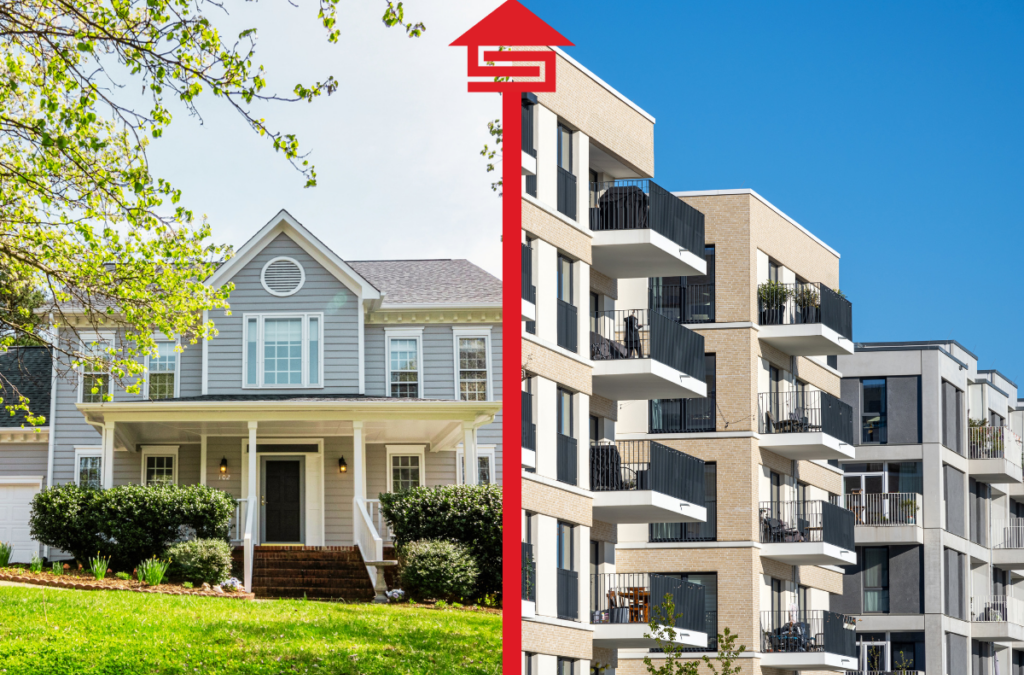
Discover the Key Differences Between a Condo vs. Single-Family Home
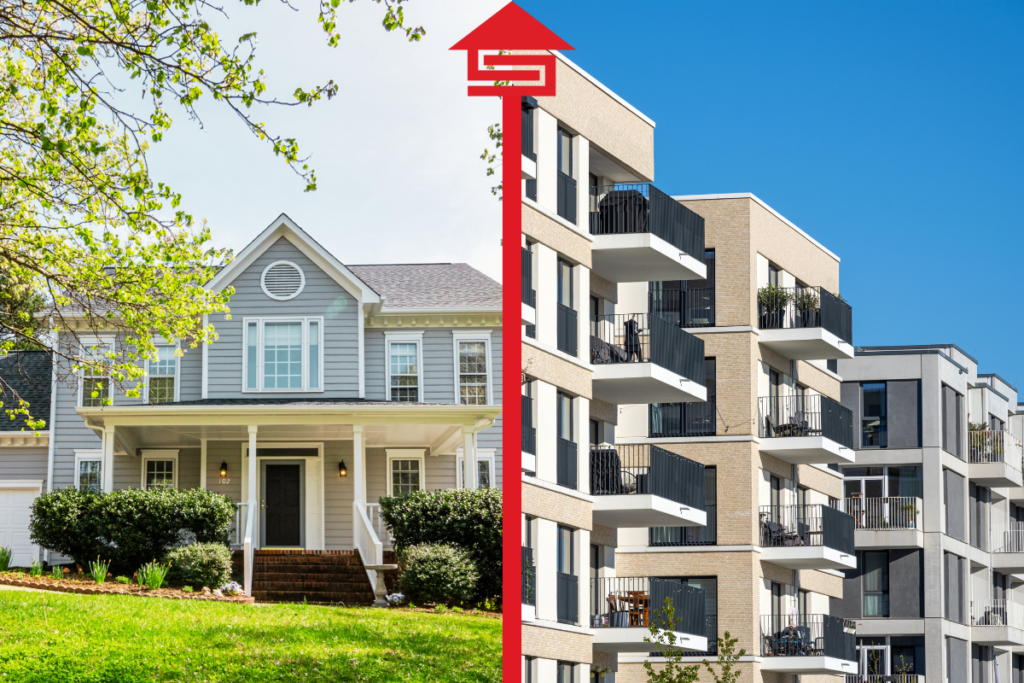
So you’ve finally decided to end the debate of renting vs. owning a home and pull the trigger on your homebuying journey. Congratulations! The next big question is deciding what kind of property you want to purchase—a condo vs. single-family home. Both options offer the potential to build equity, but the right choice comes down to your lifestyle, budget, and long-term goals.
To help you decide, here’s an overview the pros and cons of each option and how Supreme Lending may help you finance your dream home, whether it’s a condo or a single-family house.
Pros & Cons of Buying a Condo
Pros
- Lower Maintenance. One of the biggest benefits of condo living is that most exterior maintenance and landscaping are handled for you by the Homeowners Association (HOA). If you’re looking for a lower-maintenance lifestyle where you can focus on enjoying your space without the hassle of yard work or home repairs, you may want to consider a condo.
- Amenities. Many condo communities offer shared amenities such as pools, gyms, and clubhouses. This can provide luxurious perks without the extra cost of maintaining the amenities yourself.
- Affordability. In general, condos may be more affordable than single-family homes. For this reason, they are a great option for first-time homebuyers or those looking to downsize. If you’re trying to buy in a competitive housing market, a condo may offer a more budget-friendly option to open the door to homeownership.
- Location. Condos are often located in urban areas or desirable neighborhoods with easy access to dining, shopping, and public transportation. If you enjoy the vibrancy and convenience of city living, a condo can put you right in the action.
Cons
- HOA Fees. While HOAs manage the maintenance of shared spaces and amenities, that comes with a monthly cost. These fees can add up, and it’s important to factor them into your budget when considering the overall homebuying costs.
- Limited Privacy. Since condos are often in multi-unit buildings, you’ll likely be sharing a wall with neighbors. If privacy and quiet are important to you, this is something to consider.
- HOA Restrictions. HOAs typically have rules regarding what you can and cannot do with your unit, from the color of your front door to controlling whether you can rent it out. While these rules are put in place to help maintain the property’s value, they may also limit your freedom.
Pros & Cons of Buying a Single-Family Home
Pros
- More Space. Single-family homes typically offer more living space, both indoors and out. If you need room for a growing family, pets, or hobbies, or simply enjoy having a larger yard, a house may give you the space and flexibility you need.
- Privacy. Unlike condos, single-family homes can provide more privacy since you wouldn’t be sharing a wall with your neighbors. If peace and quiet are priorities, a standalone house may be your answer.
- Freedom to Personalize. As a single-family homeowner without an HOA, you have the freedom to make changes and renovations to your home. Want to build a deck, repaint your exterior, or add on more square footage? You would have the flexibility to do so.
- Suburban and Rural Living. Many single-family homes are located in suburban or rural areas. This may offer a quieter, more relaxed lifestyle away from the hustle and bustle of city life.
Cons
- Maintenance Responsibilities. With the freedom of owning a standalone property comes the responsibility for home maintenance, repairs, and upkeep. From mowing the lawn to fixing a leaky roof, you’ll be responsible for keeping everything in good condition.
- Higher Cost. Oftentimes, single-family homes may be more expensive than condos, both in terms of purchase price and ongoing costs such as property taxes, insurance, and utilities. Be sure to keep those additional costs in mind when deciding to buy a condo vs. a single-family home.
- Location. While one of the perks of single-family living is being in a more suburban or rural area, that also means you may be father away from city centers. This could result in a longer commute or less access to urban amenities.
How Do You Decide?
When choosing between a condo vs. a house, here are four helpful considerations:
- Lifestyle. Do you prefer a low-maintenance, lock-and-leave lifestyle with shared amenities? Or do you value privacy and space to personalize your property? You daily routine and personal preferences should guide your decision.
- Budget. While condos may have lower upfront costs, you’ll need to factor in HOA fees. On the other hand, single-family homes may require more financial investment in terms of ongoing maintenance.
- Location, Location, Location. Think about where you want to live. Do you prefer the convenience of urban life? Or do you dream of a suburban or rural retreat? The location has a direct impact on your lifestyle and commuting needs.
- Long-Term Goals. If you’re planning to grow your family, need extra space for hobbies, or want the freedom to make home improvements, a single-family property may make more sense. But if convenience and lower maintenance are calling your name, a condo may be the right fit.
The Benefits of Homeownership – No Matter What You Choose
Whether you opt for a condo or a standalone home, you’ll still enjoy all that homeownership has to offer. Owning your own place may give you the potential to build equity and financial stability. You’ll also have the flexibility to create a space that truly reflects your personality and lifestyle. Plus, homeownership has the potential to provide long-term rewards, as your property may appreciate in value over time.
Supreme Lending Has You Covered
Ranked as a 2024 top 15 retail lender in the country by Scotsman Guide, Supreme Lending has a wide range of mortgage options to help put people into homes—whether it’s a condo or single-family. Whatever your dream of homeownership may look like, we’re here to help with your home financing needs.
Ready to get started? Reach out to our team today!
Related Articles:

by Supreme Lending | Sep 30, 2024

Buying a home is a major milestone, and while most prospective buyers are focused on saving for the down payment, there are additional homebuying costs to consider. From closing costs to ongoing home maintenance expenses, it’s important to understand the costs beyond the down payment. Let’s dive into those homebuying costs so you can be well prepared.
Down Payment: The First Major Cost
The down payment is often the largest upfront cost when buying a home. The down payment requirements depend on the type of loan to determine what you may qualify for.
- Conventional loans typically require at least 5% for eligible borrowers. For first-time homebuyers, the minimum requirement can be as low as 3%.
- FHA loans require as little as 3.5% down, making them a popular choice for borrowers looking for more flexible guidelines.
- VA and USDA loans offer no down payment requirement for eligible military veterans, active military, or buyers in defined rural areas.
Plus, there are several down payment assistance programs available to help more people achieve their dream of homeownership. While the down payment is a key part of purchasing a home, it’s not the only cost to keep in mind.
Closing Costs: Hidden Homebuying Fees
Beyond the down payment, closing costs are another significant upfront expense buyers must account for. These are fees and expenses necessary to finalize your home purchase and close the loan. Closing costs typically range from 2% to 6% of the home’s purchase price. Here’s a breakdown of common closing costs:
- Loan origination fee is charged by your lender for processing your mortgage.
- Appraisal fee covers the cost of having your home professionally appraised to determine its market value.
- Home inspection fee is paid to inspect the home for any necessary repairs or safety hazards.
- Title insurance and search fees ensure the property’s title is clear of any disputes or liens.
- Escrow fee is charged by the third party handling the closing process.
- Property taxes and homeowners insurance are typically prepaid for a portion of the costs at closing so they’re included in your mortgage escrow account.
Ongoing Costs of Homeownership
After closing on your mortgage, owning a home comes with ongoing expenses that many new buyers often overlook. These homebuying costs are essential to consider when planning for the long-term.
- Utilities include monthly bills such as electricity, gas, water, and internet. These are widely dependent on the size and location of your home.
- Landscaping and yard maintenance, whether you hire a service or handle it by yourself, keeping up with lawn care, tree trimming, and other outdoor maintenance can add up.
- Homeowners Association (HOA) fees are required when your property is in a community with an HOA. These fees may be monthly or annual and cover community maintenance and amenities.
- Property taxes are ongoing local government taxes based on the assessed value of your home. Property taxes may increase over time, so review your tax bills carefully.
- Homeowners and mortgage insurance are often required. Homeowners insurance helps protect the home in the event of potential damages, while mortgage insurance protects the lender in the event of a loan default.
- Ongoing maintenance and repairs will occur over time, from replacing appliances to fixing the roof or plumbing. It’s smart to set aside funds for common home upkeep expenses to avoid hidden costs surprising you.
What’s Next?
We hope these additional homebuying costs are not so hidden anymore! The journey to homeownership comes with several financial considerations beyond the down payment. By understanding these homebuying costs, you can be prepared to buy with confidence.
If you’re ready to explore your mortgage options, contact Supreme Lending today. We’re here to help guide you through the loan process and beyond.