by Supreme Lending | Jul 8, 2024
Learn about Supreme Lending’s BEYOND Program, an ITIN Loan Option.

Did you or someone you know just miss out on becoming eligible for a mortgage? Supreme Lending may have the solution with the BEYOND mortgage program, commonly known for being an ITIN loan option. However, it’s so much more than that!
Whether a gig worker, recent college graduate, or multi-generational family, the BEYOND program provides more opportunities for prospective homebuyers who may not yet qualify for an FHA loan. What is the BEYOND mortgage program, who can benefit from it, and how does it work? Read on to discover if this loan option could unlock the door to homeownership.
What Is Supreme Lending’s BEYOND Loan Program?
Essentially, the BEYOND program offers a lower down payment option for homebuyers who may be just beyond eligibility for an FHA loan, including non-permanent resident aliens with an Individual Taxpayer Identification Number (ITIN) or U.S. citizens and individuals who don’t have an established work or tax history.
Through this program, eligible borrowers can buy a primary residence with a purchase sales agreement. Then, they can refinance* down the road into direct ownership if they meet the qualifications in the future. This allows borrowers to get mortgage-ready while holding the equitable title interest.
Who Is the BEYOND Program Designed for?
Supreme Lending’s BEYOND program may be a good ITIN loan option for foreign national borrowers who do not have work authorization or a Social Security Number (SSN). However, ITIN borrowers are not the only people who may benefit from this unique loan program. Gig workers who may not have an established W2 income or newly self-employed people may qualify. Here’s an overview of borrowers who may be eligible for this program:
- Non-permanent resident aliens with an Individual Taxpayer Identification Number (ITIN); no work authorization or SSN required
- For example, ITIN mortgages typically require a higher down payment of 10-20%, so this program offers a more affordable ITIN loan option
- Deferred Action for Childhood Arrivals (DACA)
- 1099 or gig workers
- Borrowers who are relocating or awaiting citizenship
- Borrowers with a new job
- College graduates; deferred student loans do not need to be included in Debt-to-Income (DTI) ratio
- Multi-generational households
- Borrowers with credit issues preventing mortgage approval
How It Works?
- The first step of the BEYOND program is simply determining if the homebuyer qualifies. They will need to meet the program guidelines and get pre-approved for the purchase price limit based on income qualifications. An important starting point is to determine if the borrower has proof of successfully making rental payments within the last year. Several other criteria will also need to be considered.
- Once approved and the buyer makes an offer to buy a qualified property, they’ll enter into a sales contract. The contact is then assigned to a third-party government entity approved by the U.S. Department of Housing and Urban Development (HUD) to purchase the home as an investment.
- The buyer must pay at least a 3.5% down payment along with additional administrative fees.
- An FHA appraisal and home inspection are required.
- The government entity buys the home using an FHA loan.
- The homebuyer also signs a seller-financing agreement with the third-party entity, which gives them a recorded equity interest in the property. This agreement acts similar to a standard mortgage or deed of trust.
BEYOND Loan FAQs
What Proof of Rental History Is Accepted?
A key requirement is for the borrower to provide proof of successfully paying rent for the past year. This could be through checks, money orders, or reviewing bank statements. Living for free with family members will not qualify.
Are There Credit Requirements?
For ITIN borrowers, no credit score is required. For non-ITIN borrowers, a minimum credit score of 600 is required.
What Form of Identification Is Needed?
The borrower will need to present two forms of unexpired government-issued identification. One must be a picture ID (i.e. driver’s license or passport). ITIN borrowers must provide proof of ITIN documentation. Valid IDs from other countries are accepted.
What Upfront Costs Are Required?
Qualified borrowers will need to pay at least the minimum down payment of 3.5% along with program administration fees and the first monthly payment.
Does the Borrower Own the House?
They will have equitable title interest, which is legal ownership. This means borrowers can benefit from any equity gains. However, the title of the home hasn’t been fully transferred. Additionally, for borrowers who do qualify on their own in the future, the loan may be refinanced* into the borrower’s name and have the title transferred.
Homeownership In Reach
With programs like BEYOND, Supreme Lending is committed to providing affordable, flexible mortgages for all. Contact your local branch to see if you may qualify and take the leap into homeownership.
*By refinancing an existing loan, total finance charges may be higher over the life of the loan.
by Supreme Lending | Jun 26, 2024
Understanding Down Payment Assistance Programs
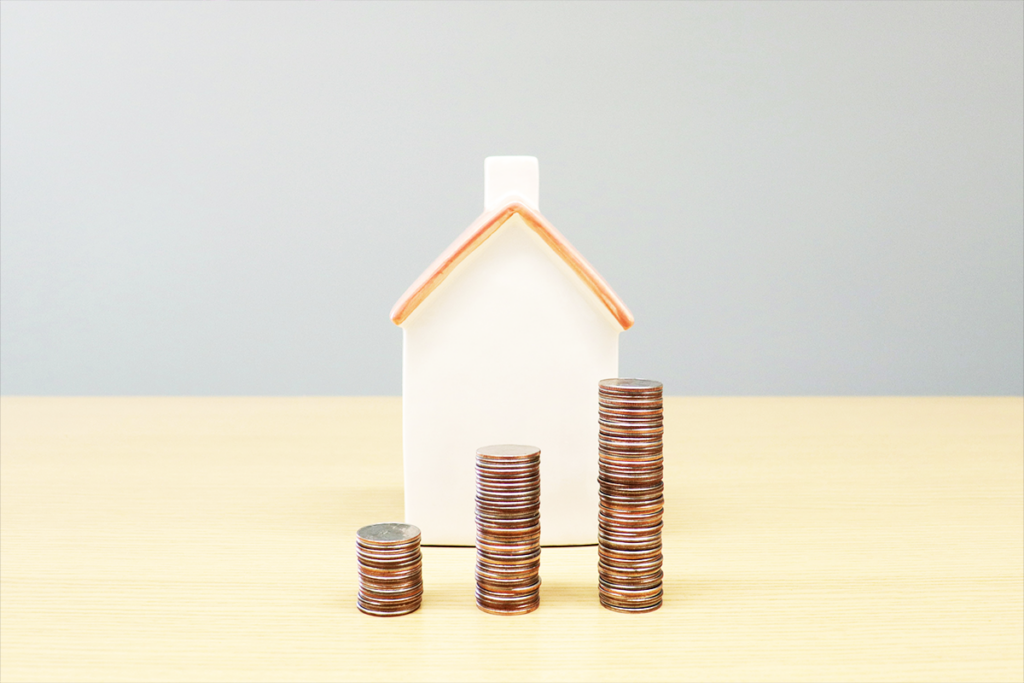
When it comes to buying a home, one of the most common misunderstandings is that you need at least a 20% down payment. This misconception can discourage potential buyers, especially first-time homebuyers, from pursuing their dream of homeownership. Good news – there are several low and no down payment options, including down payment assistance programs, designed to help people become homeowners without hefty upfront costs. Discover what down payment assistance is, how it works, benefits, and other lower down payment mortgage options.
What Are Down Payment Assistance Programs?
Down payment assistance (DPA) refers to programs designed to provide financial aid to help cover part or all of the down payment and, in some cases, closing costs associated with purchasing a home. These programs can significantly reduce the upfront costs of buying a home and help more people across the country buy a home.
How Does Down Payment Assistance Work?
Down payment assistance programs are often provided by state and local governments, non-profit organizations, or other entities dedicated to promoting homeownership in local communities. DPA can come in various forms, such as grants, forgivable second loans, deferred payment loans, and tax credits. Down payment assistance programs can have specific guidelines, often targeted for first-time homebuyers and lower income areas.
- Grants. These are funds that do not need to be repaid. Essentially, they are a gift to help cover a home’s down payment.
- Forgivable Loans. When a loan is forgivable, a borrower doesn’t need to repay it after a certain time period and agreed upon criteria is met. For example, living in the primary home for a set number of years.
- Deferred Payment. This refers to loans that do not need to be repaid until the home is sold, the borrower refinances, or the mortgage is paid off.
- Tax Credits. Some down payment assistance programs offer mortgage credit certificates (MCCs) that provide a direct tax credit based on the interest paid on the loan.
Common Eligibility Requirements
While loans and down payment assistance vary by lenders and program guidelines, here’s an overview of some general eligibility criteria that may be considered.
- Income Limits. Many mortgage DPA programs have maximum income limits based on family size and location. Some lenders may consider how a borrower compares to the Area Median Income (AMI).
- Credit Score. Like most mortgages, credit score is a major factor. A minimum credit score is typically required, such as 620 for FHA and VA.
- First-time Homebuyers. Several down payment assistance programs are designed specifically for first-time homebuyers or people who haven’t owned a home within the past three years. Homebuyer education may also be included with the program as well.
- Primary Residence. In general, down payment assistance is used toward owner-occupied primary residences.
- Location. Properties may also need to be in a specific geographic area or within a targeted zone for revitalization to qualify.
- Profession. Some down payment assistance programs may also target specific occupations, such as first responders, educators, or healthcare providers. These options help give back to those who serve our communities.
Benefits of Down Payment Assistance
- Affordability. Evidently, down payment assistance can greatly reduce the amount of upfront costs when buying a home. When getting pre-qualified for a DPA program, you’ll be able to determine the right programs and potential savings.
- Increased Accessibility. Many people who might not have qualified for a traditional mortgage due to lack of savings, may qualify using down payment assistance. This helps open more doors to homeownership in your community.
- Flexibility. Down payment assistance typically can be combined with various loan types, including FHA, VA, and USDA. These typically already have lower down payment requirements to begin with. Work with an experienced, knowledgeable loan officer to discuss your options and understand what you may qualify for.
Types of Assistance
Local and State Bond Programs
Many local, regional, and state governments offer down payment assistance programs. Supreme Lending is proud to partner with these types of organizations to provide a wide range of DPA options across the country. Examples include statewide programs through the Texas State Affordable Housing Corporation (TSAHC) or California Housing Financing Agency (CalHFA), and more localized options, such as the Orange County Housing Finance Authority’s First-Time Homebuyer program.
Specialized Options
Fannie Mae and Freddie Mac also have down payment assistance options, such as HomeReady® and Home Possible® that offer down payment requirements as low as 3% for Conventional loans.
Supreme Lending’s Down Payment Assistance
Through Supreme Lending’s Supreme Dream 100% financing, no-money-down program, qualified borrowers get a 30-year fixed FHA loan, followed by a fully forgivable second loan to be used toward down payment, closing costs, and pre-paids. A unique feature of this program is that no income limits are required and it can be combined with a 2-1 temporary rate buydown.
Other Low Down Payment Mortgages to Consider
- FHA loans can require down payments as low as 3.5%.
- VA loans offer qualified military Veterans 100% financing, meaning zero down payment required.
- USDA loans, guaranteed by the U.S. Department of Agriculture, offer a zero down payment requirement for properties in eligible rural areas.
- Click here for an overview of common down payment requirements broken down by mortgage type.
At Supreme Lending, we’re always looking for innovative ways to help make homeownership more affordable. Whether it’s through local bond programs, low down payment loans, or our own Supreme Dream down payment assistance.
Contact us today to explore your mortgage options and down payment assistance programs.
by Supreme Lending | Jun 20, 2024
Ease into a Mortgage with a Temporary Interest Rate Buydown

In today’s mortgage market, finding ways to make homeownership more affordable is key. One effective option is a temporary rate buydown mortgage. What is a rate buydown and how can it benefit borrowers? Let’s explore how a mortgage buydown works, types of buydowns, and unique advantages of these programs – especially in higher interest rate environments. Plus, learn how Supreme Lending offers a variety of buydown options to fit unique mortgage needs, including the possibility of combining down payment assistance with a temporary rate buydown, offering more affordability for first-home homebuyers.
How Does a Temporary Rate Buydown Mortgage Work?
A temporary rate buydown mortgage allows borrowers to reduce their monthly mortgage payment with a lower interest rate for a specific period of time, generally the first one to three years of the loan term. This means lower monthly payments during the agreed upon years of the mortgage. The cost difference is covered by an upfront lump sum, typically paid by the seller, builder, or lender at closing. A portion of the funds is released from an escrow account each month to cover the interest difference.
As the name suggests, these buydowns are temporary. After the buydown period ends, the mortgage interest rate resets to the original, higher rate for the remainder of the loan term.
Types of Rate Buydowns
Temporary rate buydowns can be applied to a variety of mortgage types including Conventional, FHA, and VA loans. Additionally, there are different buydown options depending on the program and duration of the initial rate buydown.
1-Year Buydown (1-0 Buydown)
- In the first year, the interest rate is reduced by 1%.
- From the second year onward, the interest rate reverts to the original note rate.
- This option may be ideal for buyers expecting their income to increase in the near future.
2-Year Buydown (2-1 Buydown)
- In the first year, the interest rate is reduced by 2%.
- In the second year, the rate is reduced by 1%.
- From the third year onward, the interest rate reverts to the original note rate.
- This provides a more extended period of lower monthly payments, allowing more time to adjust to the higher rate.
3-Year Buydown (3-2-1 Buydown)
- In the first year the interest rate is reduced by 3%.
- In the second year, the rate is reduced by 2%.
- In the third year, the rate is reduced by 1%.
- From the fourth year onward, the rate reverts to the original note rate.
- This offers the longest period of reduced payments for affordable financing.
Benefits of Buydowns in a Higher Rate Market
Lower Initial Payments
The primary benefit of a temporary rate buydown mortgage is lower monthly payments during the early years of the loan. This can be especially beneficial in a higher-rate market, making homeownership more accessible.
Financial Flexibility
Lower initial payments can provide the flexibility needed to handle other expenses associated with purchasing a home, such as relocating costs, furnishing the new home, or making home renovations or repairs.
Gradual Adjustment
A buydown allows borrowers to ease into the full mortgage payment gradually, giving them time to adjust their budget and plan accordingly.
Possibility to Refinance* If Rates Drop
Temporary rate buydown mortgages are a great option to provide lower initial monthly payments during the specified buydown period. After that, if interest rates drop below the original note rate, the borrower may have the option to refinance to a lower rate. This may save costs in interest over the life of the loan.
*By refinancing an existing loan, total finance charges may be higher over the life of the loan.
Supreme Lending’s Buydown Options
Supreme Lending is proud to offer several buydown options to suit individual mortgage needs. Our experienced mortgage professionals can help you explore 1-year, 2-year, and 3-year buydown programs to see if this option is right for you. We may also be able to apply a temporary rate buydown with our Supreme Dream Down Payment Assistance program, making homeownership even more accessible. This combination may significantly reduce upfront costs and monthly payments in the early years of the mortgage.
To learn more about temporary rate buydown mortgages and other home financing options, contact Supreme Lending today.
by Supreme Lending | Jun 13, 2024

Condo financing is an exciting and rewarding experience, especially if you’re looking to purchase a dream home with low maintenance and community amenities. It’s important to understand how condo loans work to make an informed decision in your homebuying journey. Let Supreme Lending help guide you through the condo financing process. Explore the steps involved, go over frequently asked questions about condo loans, and discover perks of condo living.
What Is a Condo Loan?
Condo financing is similar to traditional mortgages but comes with a few unique factors. A condo loan is specifically designed for purchasing a condominium unit. Lenders handle condo loans slightly differently due to the shared ownership structure and the condo association, also known as the homeowners’ association (HOA).
When applying for a condo mortgage, lenders will not only consider your credit report and financial profile but also the condition and management of the condo complex. This includes the association’s budget, reserves, and overall governance. A condo loan covers the unit itself and may include additional fees associated such as HOA dues.
Condo Financing Process
Here’s a quick, step-by-step guide of how condo financing works.
1. Get Pre-Qualified.
As with any mortgage, typically the first step is pre-qualification or pre-approval. This helps you understand how much home you may be able to afford and shows sellers you’re a serious, capable buyer.
2. Find the Right Condo.
Once you know your budget, search for condos that fit your preferences, location, and lifestyle. Ensure the condo is on a lender-approved list or can meet lender requirements.
3. Apply for a Loan.
Submit your full mortgage application with all required documentation, such as income verification, credit history, and details about the condo.
4. HOA Condo Review.
The lender will review the condo HOA’s financial statements, bylaws, insurance policies, and reserve funds to ensure the property is a sound investment and isn’t deemed high risk.
5. Appraisal and Inspection.
An appraisal will determine the condo’s market value, and a home inspection will help identify any potential issues with the property, such as safety hazards or systems that may not be working properly.
6. Close on the Loan.
Once all criteria are met, you’ll proceed to closing where you’ll sign the necessary documents and transfer ownership of the condo. Congratulations, you’re a condo owner!
Condo Financing FAQs
How does condo financing differ from traditional mortgages?
While similar to a conventional mortgage, a condo loan requires additional review of the condo association’s finances, bylaws, and occupancy rates. This will ensure lenders that the complex is stable and well-managed, which helps mitigate lending risks.
What’s the difference between warrantable and non-warrantable condo loans?
A warrantable condo means that the complex meets the criteria set by Fannie Mae and Freddie Mac, the government-sponsored enterprises (GSEs) that purchase and guarantee mortgages from lenders. A warrantable condo typically has at least 50% of units that are owner-occupied or second homes, and the homeowners’ association management is financially secure. Non-warrantable condos do not meet these guidelines.
Can I still finance a non-warrantable condo?
Yes. Borrowers may face unique challenges when it comes to financing non-warrantable condos, condotels, and co-ops. However, Supreme Lending offers a wide range of condo loan programs, including non-warrantable condos and FHA spot approval processing.
Can I use an FHA or VA loan to buy a condo?
Yes. There are options to finance condos through FHA or VA loans. However, the condo complex must be on an approved list by the FHA or VA. If it’s not approved by the FHA, Supreme Lending may be able to provide FHA Single-Unit Approvals to help get a condo unit approved quicker.
Are interest rates higher for condo loans?
Interest rates for condo loans may be slightly higher than single-family mortgages due to the perceived higher risk. However, rates vary based on market conditions, credit score, and individual lenders, so be sure to work with an experienced, professional Loan Officer to go over your options.
Does Supreme Lending have an in-house condo loan team?
Yes! Supreme Lending has a dedicated, in-house Condo Project Review team to manage the condo financing process. This includes reviewing the complex and HOA to make sure the property’s guidelines are met.
Benefits of Condo Living
- Community Living. Condos often foster a strong sense of community, providing ample opportunities to meet neighbors and participate in social activities.
- Lower Maintenance. The Condo’s HOA typically handles exterior maintenance such as landscaping and select repairs, freeing you from traditional homeownership responsibilities.
- Condos can offer several amenities such as swimming pools, gyms, and recreational areas, allowing you to enjoy these perks without the personal investment or upkeep.
- Prime Locations. Condos are often located in desirable, urban areas, offering convenient proximity to work, entertainment, and dining options.
Condo financing can unlock the door to a vibrant and accessible lifestyle. By understanding the ins and outs of the condo loan process, you can be equipped with knowledge and power to make informed decisions. At Supreme Lending, we’re here to help guide you through every step of condo financing.
by Supreme Lending | Jun 10, 2024
When it comes to financing your new home, choosing the right mortgage is so important – FHA loans, Conventional mortgages, down payment assistance – there are several options to choose from. Each loan program has its own set of guidelines, benefits, and considerations. Comparing loan types can help you make an informed decision of what may fit your needs and homeownership goals. Let’s examine the difference between these two popular options: FHA loans and Conventional mortgages.
What Is an FHA Loan?
FHA loans are mortgages insured by the U.S. government’s Federal Housing Administration (FHA) against borrower default. They are designed to help more people who may not qualify for Conventional loans achieve homeownership. Here are some key benefits of FHA loans:
- Lower Credit Score Requirements. FHA loans typically require a minimum credit score of 580, which is lower than Conventional loans.
- Low Down Payment. One of the most attractive highlights of FHA loans is the low down payment requirement. Qualified borrowers can put down as little as 3.5% of the purchase price, plus there may be options to include down payment assistance.
- Flexible Debt-to-Income (DTI) Ratio. FHA loans allow higher DTI ratios, making it more feasible for borrowers with existing debt to qualify.
- Assumable Loans. FHA loans are assumable, meaning if you sell your home, the buyer can take over your existing FHA loan. This could potentially help save buyers money on closing costs and interest.
- More Lenient Qualification Requirements. In general, the qualification criteria for FHA loans is more moderate compared to Conventional loans. This helps a broader range of borrowers become homeowners.
What Are Conventional Loans?
Conventional mortgages are loans not insured or guaranteed by any government agency unlike FHA. They are offered by private lenders. Borrowers typically need to have a higher credit score and lower DTI ratio.
- Lower Mortgage Insurance Costs. While FHA requires mortgage insurance premiums (MIP) for the life of the loan, Conventional loans typically only require private mortgage insurance (PMI) until the borrower buys down 20% of the mortgage.
- Higher Loan Limits. Conventional loan borrowers can generally qualify for higher loan limits compared to FHA. This can help borrowers purchase more expensive homes.
- Variety of Loan Terms. Conventional mortgages offer a wide range of loan terms and options, including fixed-rate and adjustable-rate mortgages (ARMs), providing more flexibility.
- Potential for Lower Interest Rates. Borrowers with higher credit scores and larger down payments can often secure lower interest rates with Conventional loans than FHA.
- Conforming & Non-Conforming Options. Conforming conventional loans meet the guidelines of government-sponsored enterprises (GSE), such as Fannie Mae and Freddie Mac. While non-conforming loans do not and can have higher loan amounts, including Jumbo loans.
Frequently Asked Questions About FHA vs. Conventional Loans
Which loan is better suited for first-time homebuyers?
FHA loans are often a great option for first-time buyers due to their lower credit score and down payment options. They provide a pathway to homeownership for those who may not initially qualify for a Conventional loan.
Can I refinance* my FHA loan into a Conventional mortgage?
Yes! Borrowers can refinance an FHA loan into a Conventional one. This could potentially eliminate the FHA’s mortgage insurance requirement if you have enough equity in the home and lead to more flexible terms.
*By refinancing an existing loan, total finance charges may be higher over the life of the loan.
Are there income limits for FHA or Conventional?
FHA mortgages don’t have income limits, but they may have loan limits based on the location of the property. Conventional loans don’t have income limits either, however higher income and a better credit profile can help you qualify for a larger loan amount.
How do I decide which loan is right for me?
Take into concentration your credit score, funds you have for down payment and closing costs, and long-term goals. FHA can be ideal for those with lower credit scores, while Conventional loans may be better suited for borrowers with stronger credit profiles. Getting pre-qualified with Supreme Lending can help give you estimated costs for each option.
Whether you opt for an FHA loan or a Conventional, both options provide pathways to owning your dream home. It’s important to review your current situation, consider the benefits of different loan types, and work with a knowledgeable loan officer to help guide you through the mortgage process.
At Supreme Lending, we’re committed to helping you navigate the homebuying process with ease. Contact your local branch to get started today!
by Supreme Lending | Jun 5, 2024
Understanding a Bank Statement Loan

For entrepreneurs and self-employed individuals, securing a mortgage can often be a challenge. Traditional home loans typically require W-2 tax returns and other documentation that may not accurately reflect the income of self-employed borrowers. This is where Supreme Lending’s bank statement loans come in. Designed for those who run their own businesses, bank statement loans offer an alternative option for self-employed homebuyers without the need for conventional income and tax documentation. Here’s everything you need to know about bank statement mortgages.
What Is a Bank Statement Loan?
A bank statement loan, commonly known as a self-employed mortgage, is a type of home loan designed for those who may have non-traditional sources of income. Simply put, instead of relying on W-2 forms and tax returns, lenders use the borrower’s bank statements to verify their income to approve the loan. This allows self-employed individuals to qualify for a mortgage based on their cash flow rather than their taxable income, which may be reduced by business expenses and tax deductions.
How Do Bank Statement Mortgages Work?
Income Verification
For these types of loans, lenders typically review the past 12 to 24 months of your personal or business bank statements to determine your average monthly income. This provides an accurate picture of your financial health and ability to repay the loan and make monthly mortgage payments.
Down Payment Requirements
The down payment requirements for bank statement loans can vary depending on the lender, but it can generally range from 10% to 20%. A larger down payment amount can sometimes secure more favorable terms and interest rates.
Credit Score and Other Requirements
While these loans are designed to be a more flexible homebuying option, mortgage professionals will still review your credit score, assets, and other financial factors to assess the potential lending risk. A higher credit score may increase your chances of approval for the loan.
Common FAQs and Considerations
Who Can Benefit from a Bank Statement Mortgage?
As mentioned above, these loans are ideal for self-employed borrowers, including small business owners, corporation owners, freelancers, and gig economy workers whose income may be substantial, but not consistently documented like W-2 employees. It’s a great option if you have strong cash flow but your tax returns don’t reflect your true income due to tax write-offs and deductions.
What Types of Properties Can Qualify?
These loans can be used to purchase various types of properties, including single-family homes, condos, townhouses, and in some cases multi-family properties. There are also options for second homes and investment properties depending on the loan type. Each lender has specific property requirements and guidelines, so it’s important to work with a knowledgeable loan officer to help guide you through the process.
What Are Interest Rates?
Interest rates for bank statement loans may be higher than those for Conventional loans due to the potential increased risk to lenders. However, if a borrower has a strong financial profile, it may be possible to lock in a more competitive rate. Additionally, rates are typically lower for a 24-month bank statement loan versus 12 months.
How Is Income Calculated?
For bank statement mortgages, lenders will typically sum up your total deposits over the selected period of time (12 to 24 months) and divide by the number of months to calculate your average monthly income. Business-related expenses and unusual deposits may be excluded to ensure a more accurate income assessment.
What If My Spouse Is a W-2 Employee?
Depending on the loan program and circumstances, lenders may consider a spouse’s income as well when calculating their joint eligibility for a bank statement loan. For example, a business owner’s average monthly income and a spouse’s W2s, paystubs, and employment verification could both be used to determine their combined income.
Benefits of Bank Statement Lending
Owning your own business is part of the American Dream. However, business owners may not qualify for a traditional mortgage to buy their American Dream Home. Bank statement loans offer that freedom. They give self-employed borrowers flexibility to use their true income without being tied down by tax deductions or business expenses. It also opens the door to homeownership for more people in the community—whether it’s their first home or tenth.
If you’re self-employed and ready to explore your mortgage options, contact Supreme Lending today. We’re here to help you navigate the process and find the best loan option to fit your unique needs.
Related Articles: